
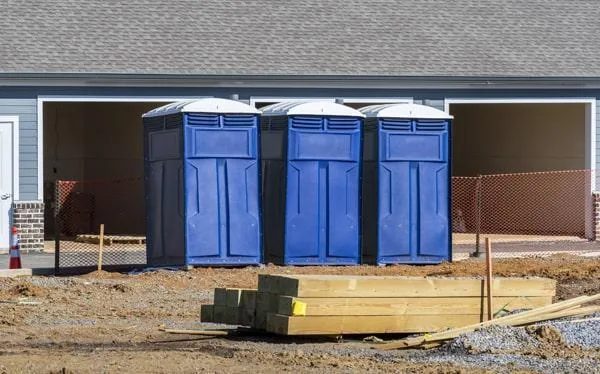
Use changes in work to review facilities
Additional trades, longer shifts or a new work zone can increase demand or change where toilets are useful. Give the provider the revised pattern, including shared breaks and access to permanent bathrooms. Review quantity and care together.
Standard cabins, washing stations and accessible arrangements serve different needs. Adding an ordinary toilet does not automatically resolve washing or access. Ask for the proposed equipment mix and the practical responsibilities associated with it.
Give the site contact a practical checklist
A working site can change around a toilet even when the toilet has not moved. Agree who will keep the facilities usable from the first shift until removal.
Identify the person who can open the correct gate, explain a changed approach and report equipment problems. Keep the rental contact available to that person. If responsibility moves between contractors, hand over the service and collection arrangements as well as the keys.
Check that the user approach remains clear, the door can be used and consumables have not run out. Report an unusable cabin or damaged fitting promptly through the agreed contact route. Do not attempt tank emptying, lifting or a repair that the provider has not authorized.
Keep storage and traffic out of the service approach
A service vehicle may need to return while the site is busy. Materials, parked trucks and changed fencing can remove access that existed on delivery day. Mark the agreed approach in the site plan and include it when coordinating deliveries.
If the proposed route or ground condition changes, discuss it before the visit. A new position needs assessment for users and servicing, not merely a decision to move equipment away from current work. The provider should agree any relocation.
Treat closeout as a scheduled handover
Confirm when the last workers need the facilities and how removal is requested. Keep the access contact and approach available until collection, even if the main contractor has finished. Do not let a final debris pile occupy the service route.
Review the rental period, extensions, extra care and any collection conditions in the agreement. Explain an uncertain completion date early so the arrangement can be discussed; no particular extension or pickup time is established by a planning estimate.
Questions before you book
Does weekly service automatically suit every crew?
Not necessarily. Discuss the number of users, work pattern, existing facilities and any changes with the provider to agree appropriate care.
Can the crew move a unit to keep work going?
Arrange any move with the provider first. The new position and movement method need assessment, including what happens to waste, the unit and the service approach.