
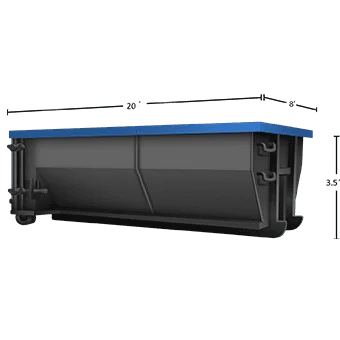
Choose a container for material and handling
Explain the debris type and expected quantity to the rental team so it can discuss the offered container. Heavy or dense material can affect loading even when space remains. Confirm the actual equipment, permitted load and any special material rules through the provider’s assessment of the actual material and site rather than a generic photograph.
Keep ordinary rubbish, construction debris and any specialist waste streams distinct in the enquiry. A toilet holding tank or handwashing reservoir is not a disposal route for project liquids, and a debris container is not a substitute for the appropriate sanitation service.
Describe the next stage of the debris work
A roll-off container can be collected because the debris task is finished or exchanged while work continues. Tell the rental team which outcome you need. A request to remove a loaded container does not by itself explain whether another container is required afterward.
Identify the material being removed, where it comes from and the work that will continue after the current container is collected. Ask what materials the provider accepts and what loading restrictions apply. Separate uncertain or restricted items for discussion rather than assuming every project waste belongs in the container.
For a hypothetical renovation, clearing one room may fill the current container while another room remains to be stripped. An exchange request describes continuing work; final collection describes completion of the container need. Confirm the actual arrangement and availability instead of treating the two as interchangeable.
Keep the exchange location workable
Review the authorised placement, ground conditions and provider’s vehicle approach before delivery. The rental team should assess the space required to load and unload its container. Keep the operating route clear of parked vehicles, materials and people during the agreed visit.
If the work plan changes the loading position, discuss that before moving equipment or building around it. An exchange involves more than removing debris from the top. The provider needs a practical arrangement to handle the loaded container and any replacement.
State exchange and final removal separately in the request
Provide the Houston address, material description, expected work sequence, proposed placement and dates for a quote. Ask how an exchange is requested and how equipment, transport, disposal and duration are described in the terms.
Name the person who can authorise a change and confirm access. When the debris task ends, request final collection explicitly and keep the route available. If toilets remain onsite, retain their separate care and collection arrangement until their users have finished.
Questions before you book
Does collecting a full container automatically bring a replacement?
Confirm an exchange explicitly and review availability and terms. Final collection and continuing container use are different instructions.
Can more debris be loaded whenever there is visible space?
Follow the provider’s agreed material and loading limits. Dense material can affect the permitted load before the container appears full.